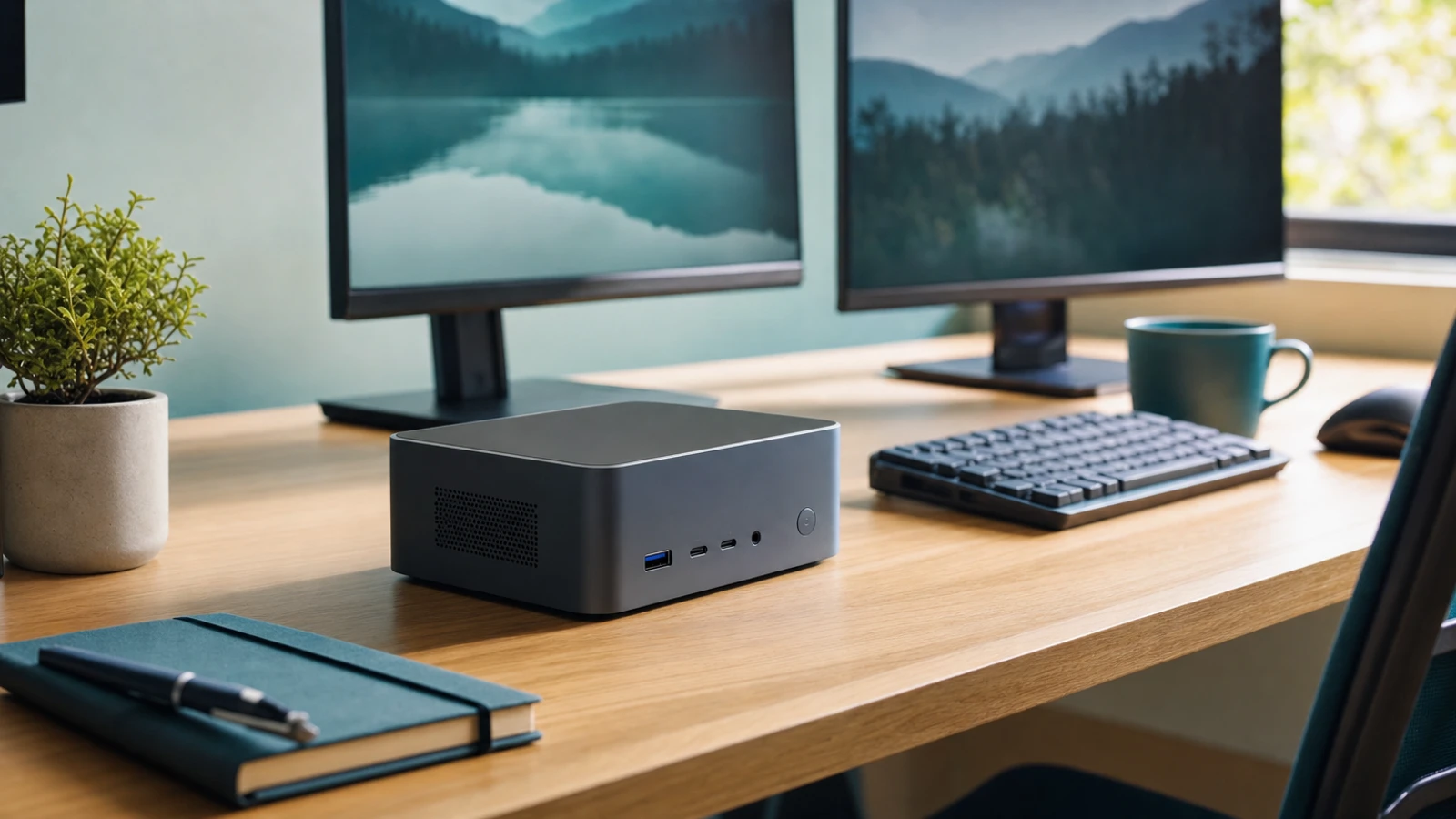
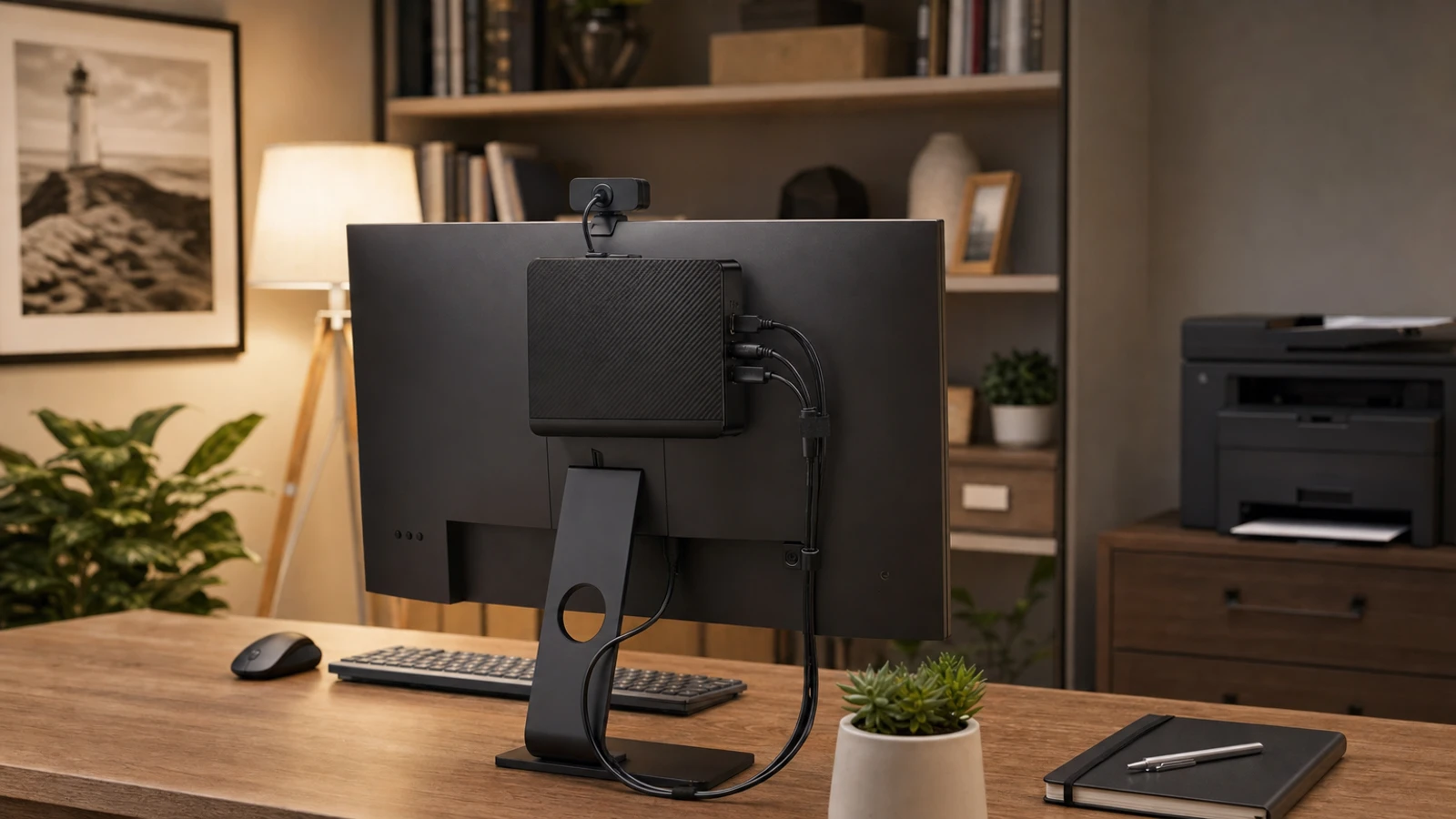
This support page focuses on processor, memory, and storage for everyday office apps for mini PCs. The main shortlist covers products; this page keeps the setup decisions practical.
Processor, Memory, and Storage for Everyday Office Apps
Define basic office work honestly. Basic office work usually means browser tabs, email, documents, spreadsheets, video calls, cloud dashboards, PDFs, accounting portals, and light image handling. It does not always require a tower, but it does require enough processor headroom, memory, and storage so the machine does not feel tired after updates.
Memory matters more than marketing. A mini PC with too little RAM can feel slow even when the processor name looks modern. For shared office desks, reception stations, or bookkeeping work, choose memory for the number of browser tabs and apps that stay open together.
Storage should leave breathing room. Small solid-state drives fill quickly with system updates, downloads, scan folders, and sync tools. Check usable capacity, expansion options, and whether the device allows an extra drive before treating a low-price configuration as a long-term workstation.
Avoid overbuying for simple stations. A basic email-and-document desk may not need gaming-class graphics or a premium processor. Spend instead on reliability, ports, warranty, quiet operation, and enough memory to keep daily work smooth.
Plan the first year, not only day one. Office computers collect updates, security tools, printer utilities, and cloud sync agents. Choose a mini PC that still feels sensible after that normal software weight arrives.
Office setup decision notes
Office scenario 1: Define basic office work honestly. Recheck this point with the actual desk role in mind because basic office work usually means browser tabs, email, documents, spreadsheets, video calls, cloud dashboards, pdfs, accounting portals, and light image handling. it does not always require a tower, but it does require enough processor headroom, memory, and storage so the machine does not feel tired after updates. A mini PC should make the station cleaner and easier to support, not simply smaller in a product photo.
Setup cue 1. For processor, memory, and storage for everyday office apps, place the monitor, keyboard, mouse, webcam, printer or scanner cable, network cable, and power brick on a sketch of the desk. If the plan creates a hub chain, hidden heat pocket, or unreachable port, compare a different configuration before buying.
Return-window test 1. During the first week, install the real office apps, open the usual browser tabs, join a video call, connect every peripheral, and restart the machine after updates. That practical trial says more than a generic benchmark for basic office work.
Support note 1. Write down the exact ports used, display settings, login handoff, backup location, and restart steps for this station. If processor, memory, and storage for everyday office apps matters to the desk role, a short setup note can save time when another employee, family member, or technician has to understand the compact computer later.
Budget check 1. Compare the mini PC price with the hidden extras: monitor cable, hub, mount, keyboard, mouse, webcam, speakers, Windows license, backup storage, and replacement power adapter. A slightly larger or better-equipped model can be cheaper in practice when it removes adapters and support calls.
Office scenario 2: Memory matters more than marketing. Recheck this point with the actual desk role in mind because a mini pc with too little ram can feel slow even when the processor name looks modern. for shared office desks, reception stations, or bookkeeping work, choose memory for the number of browser tabs and apps that stay open together. A mini PC should make the station cleaner and easier to support, not simply smaller in a product photo.
Setup cue 2. For processor, memory, and storage for everyday office apps, place the monitor, keyboard, mouse, webcam, printer or scanner cable, network cable, and power brick on a sketch of the desk. If the plan creates a hub chain, hidden heat pocket, or unreachable port, compare a different configuration before buying.
Return-window test 2. During the first week, install the real office apps, open the usual browser tabs, join a video call, connect every peripheral, and restart the machine after updates. That practical trial says more than a generic benchmark for basic office work.
Support note 2. Write down the exact ports used, display settings, login handoff, backup location, and restart steps for this station. If processor, memory, and storage for everyday office apps matters to the desk role, a short setup note can save time when another employee, family member, or technician has to understand the compact computer later.
Budget check 2. Compare the mini PC price with the hidden extras: monitor cable, hub, mount, keyboard, mouse, webcam, speakers, Windows license, backup storage, and replacement power adapter. A slightly larger or better-equipped model can be cheaper in practice when it removes adapters and support calls.
Office scenario 3: Storage should leave breathing room. Recheck this point with the actual desk role in mind because small solid-state drives fill quickly with system updates, downloads, scan folders, and sync tools. check usable capacity, expansion options, and whether the device allows an extra drive before treating a low-price configuration as a long-term workstation. A mini PC should make the station cleaner and easier to support, not simply smaller in a product photo.
Setup cue 3. For processor, memory, and storage for everyday office apps, place the monitor, keyboard, mouse, webcam, printer or scanner cable, network cable, and power brick on a sketch of the desk. If the plan creates a hub chain, hidden heat pocket, or unreachable port, compare a different configuration before buying.
Return-window test 3. During the first week, install the real office apps, open the usual browser tabs, join a video call, connect every peripheral, and restart the machine after updates. That practical trial says more than a generic benchmark for basic office work.
Support note 3. Write down the exact ports used, display settings, login handoff, backup location, and restart steps for this station. If processor, memory, and storage for everyday office apps matters to the desk role, a short setup note can save time when another employee, family member, or technician has to understand the compact computer later.
Budget check 3. Compare the mini PC price with the hidden extras: monitor cable, hub, mount, keyboard, mouse, webcam, speakers, Windows license, backup storage, and replacement power adapter. A slightly larger or better-equipped model can be cheaper in practice when it removes adapters and support calls.
Office scenario 4: Avoid overbuying for simple stations. Recheck this point with the actual desk role in mind because a basic email-and-document desk may not need gaming-class graphics or a premium processor. spend instead on reliability, ports, warranty, quiet operation, and enough memory to keep daily work smooth. A mini PC should make the station cleaner and easier to support, not simply smaller in a product photo.
Setup cue 4. For processor, memory, and storage for everyday office apps, place the monitor, keyboard, mouse, webcam, printer or scanner cable, network cable, and power brick on a sketch of the desk. If the plan creates a hub chain, hidden heat pocket, or unreachable port, compare a different configuration before buying.
Return-window test 4. During the first week, install the real office apps, open the usual browser tabs, join a video call, connect every peripheral, and restart the machine after updates. That practical trial says more than a generic benchmark for basic office work.
Support note 4. Write down the exact ports used, display settings, login handoff, backup location, and restart steps for this station. If processor, memory, and storage for everyday office apps matters to the desk role, a short setup note can save time when another employee, family member, or technician has to understand the compact computer later.
Budget check 4. Compare the mini PC price with the hidden extras: monitor cable, hub, mount, keyboard, mouse, webcam, speakers, Windows license, backup storage, and replacement power adapter. A slightly larger or better-equipped model can be cheaper in practice when it removes adapters and support calls.
Office scenario 5: Plan the first year, not only day one. Recheck this point with the actual desk role in mind because office computers collect updates, security tools, printer utilities, and cloud sync agents. choose a mini pc that still feels sensible after that normal software weight arrives. A mini PC should make the station cleaner and easier to support, not simply smaller in a product photo.
Setup cue 5. For processor, memory, and storage for everyday office apps, place the monitor, keyboard, mouse, webcam, printer or scanner cable, network cable, and power brick on a sketch of the desk. If the plan creates a hub chain, hidden heat pocket, or unreachable port, compare a different configuration before buying.
Return-window test 5. During the first week, install the real office apps, open the usual browser tabs, join a video call, connect every peripheral, and restart the machine after updates. That practical trial says more than a generic benchmark for basic office work.
Support note 5. Write down the exact ports used, display settings, login handoff, backup location, and restart steps for this station. If processor, memory, and storage for everyday office apps matters to the desk role, a short setup note can save time when another employee, family member, or technician has to understand the compact computer later.
Budget check 5. Compare the mini PC price with the hidden extras: monitor cable, hub, mount, keyboard, mouse, webcam, speakers, Windows license, backup storage, and replacement power adapter. A slightly larger or better-equipped model can be cheaper in practice when it removes adapters and support calls.
Use the hub and related support pages to compare compact-computer details before replacing or adding an office workstation.